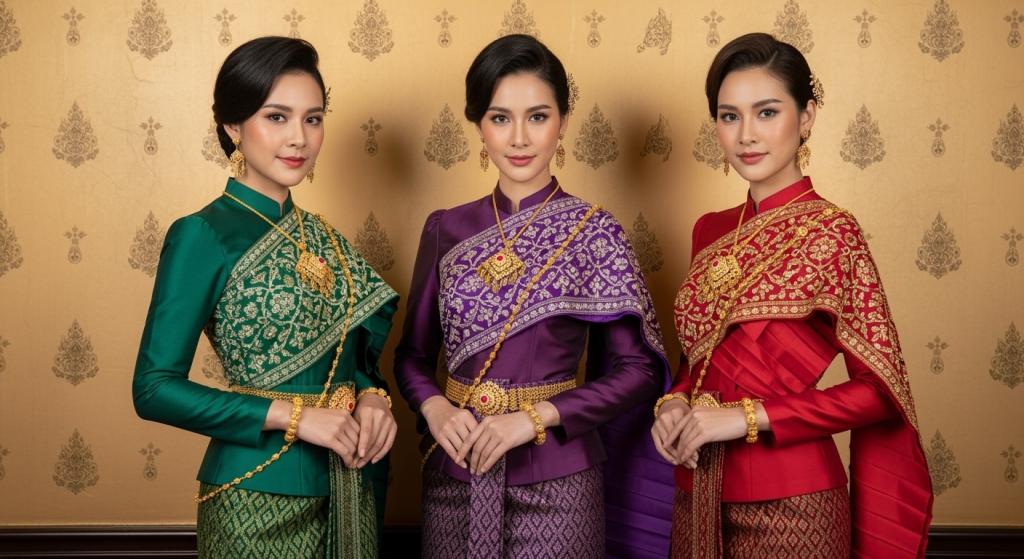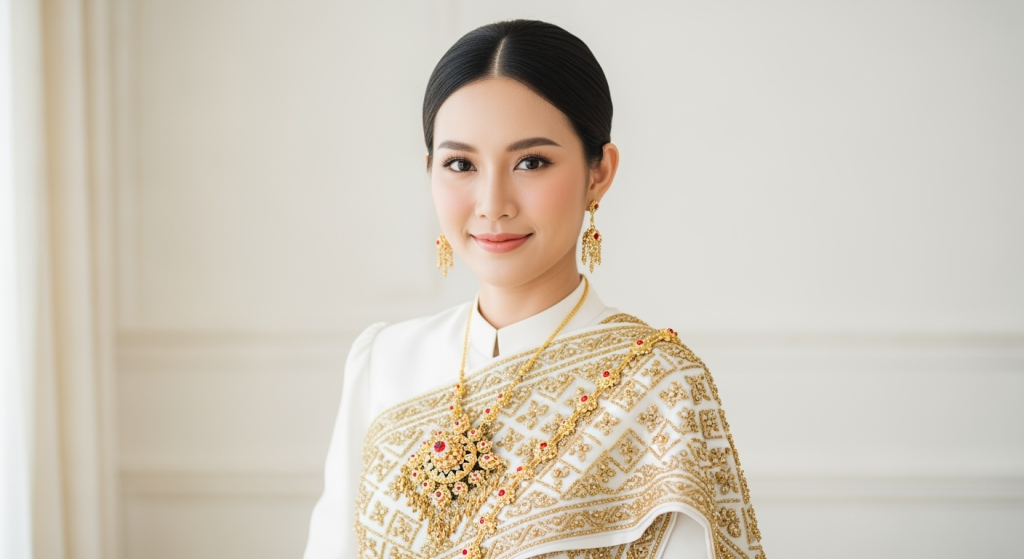
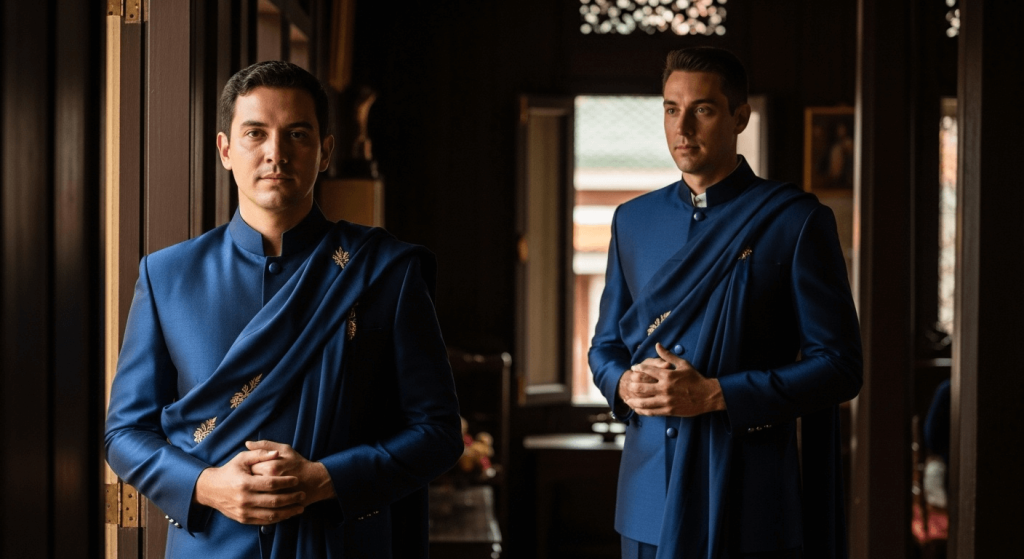
Picture this: Your Thai-American wife just informed you that her cousin’s traditional wedding is next month in San Francisco, and yes, you’re expected to wear traditional Thai clothing. Suddenly, you’re frantically Googling “Thai men’s clothing” at 11 PM, wondering why there are so few resources for men compared to the endless options for women and children.
You’re not alone in this struggle. While Thai traditional fashion for women gets most of the attention, Thai men’s attire carries equally rich cultural significance and stunning craftsmanship. Whether you’re a non-Thai partner marrying into a Thai family, a second-generation Thai-American reconnecting with your heritage, or simply seeking authentic attire for cultural events, this complete guide will help you navigate Thai men’s traditional clothing with confidence.
By the end of this guide, you’ll understand the different styles of Chut Thai for men, know exactly what to wear for various occasions, and feel equipped to honor Thai culture while looking absolutely sharp.
Table of Contents
- Understanding Thai Men’s Traditional Clothing Basics
- The Four Main Styles of Chut Thai for Men
- What to Wear: Occasion-Specific Guide
- Sizing and Fit: Getting It Right
- Fabric and Quality: What to Look For
- Styling Tips and Accessories
- Common Mistakes to Avoid
- Caring for Your Thai Traditional Clothing
Understanding Thai Men’s Traditional Clothing Basics
Thai traditional clothing for men, known as “Chut Thai Phu Chai” (ชุดไทยผู้ชาย), represents centuries of cultural refinement and royal influence. Unlike Western formal wear that follows fairly standard patterns, Thai men’s attire varies significantly based on formality level, occasion, and regional traditions.
The foundation of most Thai men’s traditional outfits consists of three key components: the “suea” (shirt), “kangkeng” or “pha nung” (lower garment), and various accessories like the “sabai” (shoulder cloth) or “mongkol” (headpiece). Each element serves both practical and ceremonial purposes, creating an ensemble that’s both functional and deeply meaningful.
What makes Thai men’s clothing particularly special is its emphasis on proportion and draping. The garments are designed to create elegant silhouettes that complement the Thai aesthetic of grace and refinement. This is why proper fit is crucial—ill-fitting Thai traditional wear can look costume-like rather than authentic.
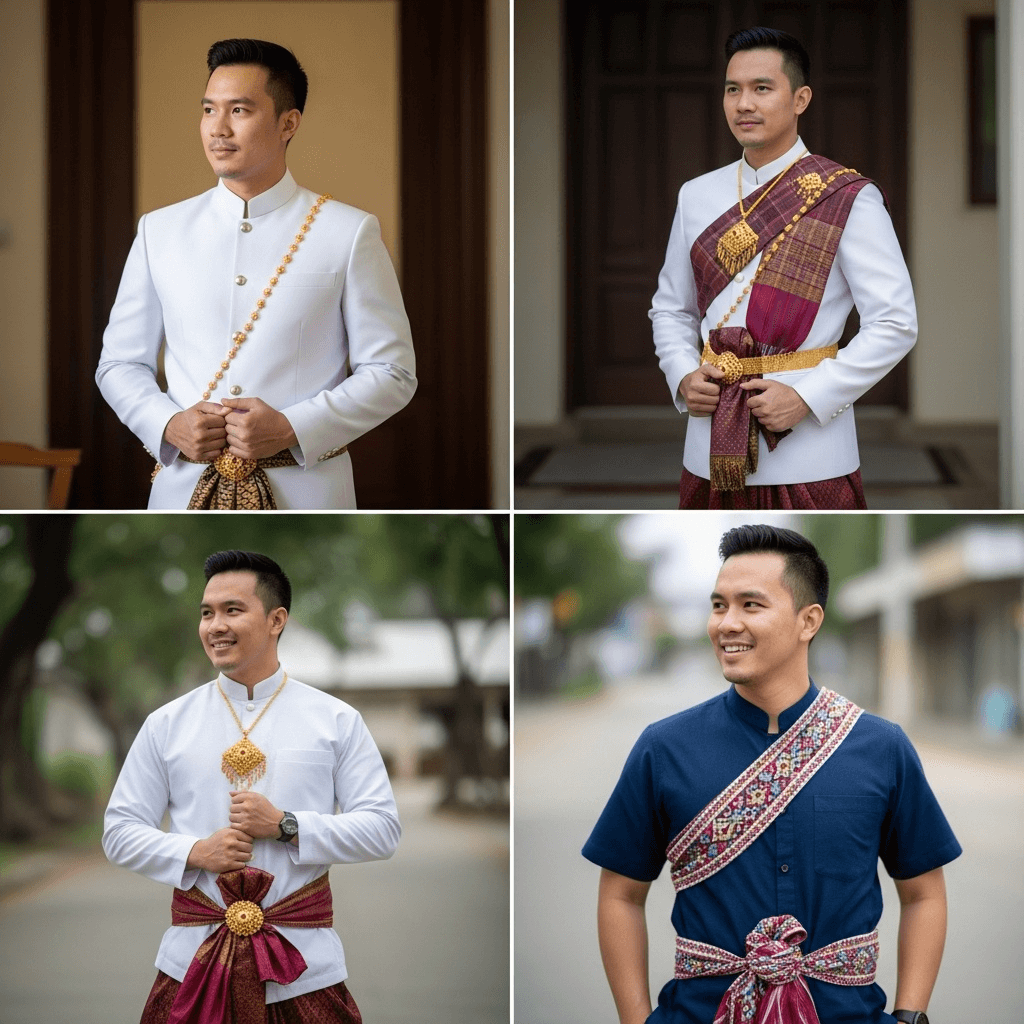
[Image: Comparison of four main Thai men’s traditional styles laid out side by side]
For diaspora families, understanding these basics helps bridge the gap between honoring tradition and navigating modern cultural events. Many Thai-American men find that owning quality traditional attire not only serves practical purposes but also strengthens their connection to Thai heritage.
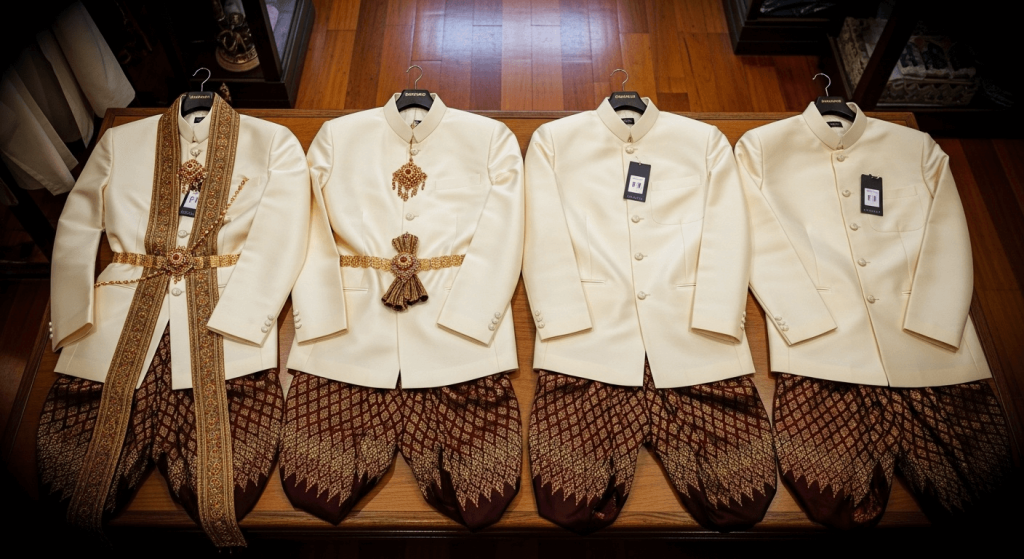
The Four Main Styles of Chut Thai for Men
Chut Thai Phra Ratcha Niyom (Royal Preferred Style)
The most formal and elaborate style, Chut Thai Phra Ratcha Niyom represents the pinnacle of Thai men’s traditional fashion. Originally worn by royalty and high-ranking officials, this style features intricate details and luxurious fabrics.
Key characteristics include:
- Long-sleeved, high-collar shirt with ornate buttons
- Wrapped lower garment (pha nung) in matching or complementary fabric
- Elaborate sabai (shoulder cloth) draped across one shoulder
- Optional accessories like traditional jewelry or ceremonial items
This style is appropriate for the most formal occasions: royal ceremonies, traditional Thai weddings (especially for grooms), and prestigious cultural events. The level of detail and craftsmanship required makes authentic Phra Ratcha Niyom pieces investment purchases.
Chut Thai Chakri
Named after the current Thai royal dynasty, Chut Thai Chakri strikes a balance between formality and practicality. This style gained popularity during the reign of King Chulalongkorn and remains one of the most versatile options for modern occasions.
The Chakri style typically features:
- Fitted, buttoned shirt with standing collar
- Straight-leg pants or wrapped lower garment
- Optional vest or jacket
- Minimal but elegant accessories
Perfect for formal dinner parties, cultural celebrations, and semi-formal Thai events, Chakri style offers the sophistication of traditional wear with contemporary comfort. Many Thai-American men choose this as their primary traditional outfit because it translates well to various settings.
Chut Thai Chakkraphat
A more relaxed traditional style, Chakkraphat offers comfort without sacrificing cultural authenticity. This style evolved from practical daily wear of the Ayutthaya period and emphasizes ease of movement and breathable fabrics.
Chakkraphat characteristics:
- Loose-fitting, collarless shirt
- Comfortable wrapped lower garment or loose pants
- Minimal accessories
- Focus on natural, breathable fabrics
Ideal for temple visits, cultural festivals, and family gatherings, this style respects tradition while prioritizing comfort. It’s an excellent choice for men new to Thai traditional wear or for events in warm climates.
Chut Thai Ruean Ton
The most casual of traditional styles, Ruean Ton represents the everyday wear of historical Thailand, adapted for modern cultural occasions. This style emphasizes simplicity and comfort while maintaining cultural authenticity.
Features include:
- Simple, comfortable shirt design
- Easy-to-wear lower garments
- Practical fabric choices
- Minimal styling requirements
Ruean Ton works well for informal cultural events, family celebrations, and educational settings where comfort is paramount. It’s also an excellent starting point for men building their first traditional Thai wardrobe.
What to Wear: Occasion-Specific Guide
Traditional Thai Weddings
For Thai wedding ceremonies, your role determines your attire choice:
As the Groom:
- Chut Thai Phra Ratcha Niyom or elaborate Chakri style
- Rich fabrics like Thai silk in gold, deep red, or royal blue
- Complete accessories including traditional jewelry
- Consider renting if purchasing isn’t practical
As a Guest:
- Chut Thai Chakri or Chakkraphat
- Avoid colors that compete with the wedding party
- Respect temple requirements if ceremony includes Buddhist elements
- Elegant but not overpowering
As Wedding Party:
- Coordinate with the wedding planner
- Often matching or complementary colors to bridesmaids
- Usually Chakri style for consistency
I remember helping David, a non-Thai groom, choose his wedding attire for his ceremony in Chicago. Initially overwhelmed by the options, he found confidence in a custom Chakri-style ensemble in deep navy Thai silk. His Thai in-laws were moved by his effort to honor their traditions, and the photos were absolutely stunning.
Temple Visits and Religious Ceremonies
Buddhist temples require modest, respectful attire:
- Coverage: Long pants, covered shoulders, closed-toe shoes
- Colors: Conservative choices; avoid bright, flashy patterns
- Style: Chakkraphat or Ruean Ton for comfort during ceremonies
- Accessories: Minimal; remove hats upon entering temple grounds
Cultural Festivals and Community Events
Thai festivals offer opportunities to celebrate heritage:
- Songkran: Comfortable, quick-dry fabrics in Ruean Ton style
- Loy Krathong: Elegant Chakri or Chakkraphat styles
- Thai New Year: Any traditional style appropriate
- Cultural performances: Consider the setting and your role
Business and Formal Events
When Thai traditional wear is appropriate for professional settings:
- Cultural business events: Chakri style in conservative colors
- Embassy functions: Formal Chakri or simplified Phra Ratcha Niyom
- Academic ceremonies: Chakkraphat for comfort during long events
- Award ceremonies: Match the formality level of the event
Sizing and Fit: Getting It Right
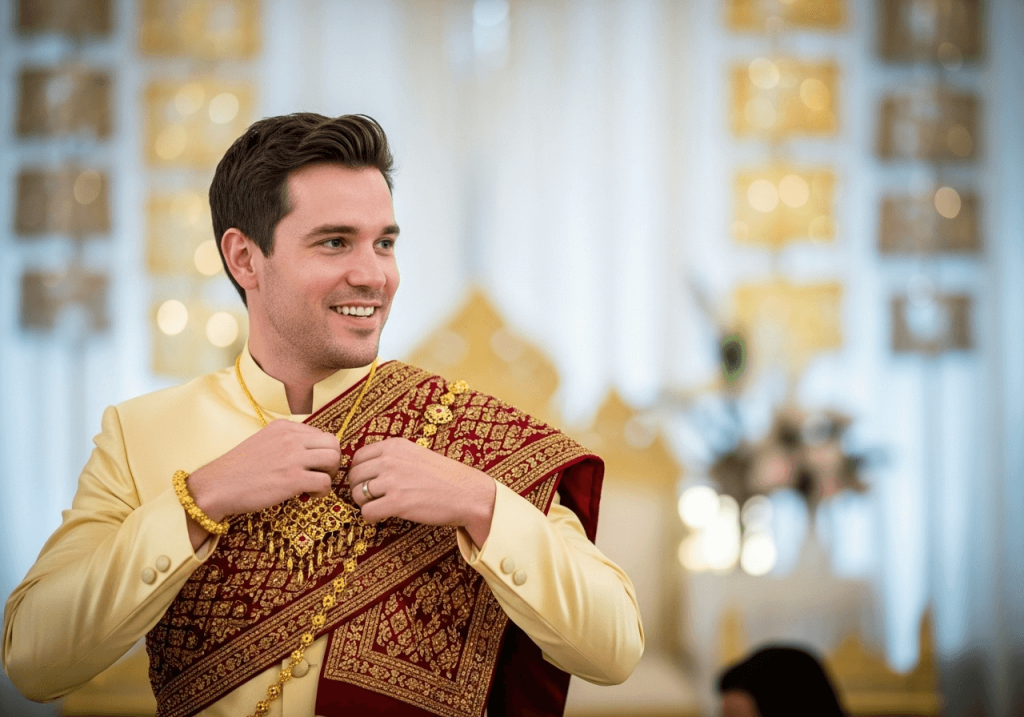
Proper fit transforms Thai traditional clothing from costume to authentic cultural expression. Unlike Western menswear, Thai traditional garments rely heavily on draping and proportion rather than tailored fit.
Key Measurements You’ll Need
Upper Body:
- Chest circumference at fullest point
- Shoulder width from point to point
- Arm length from shoulder to desired cuff position
- Neck circumference for collar fit
Lower Body:
- Waist measurement at natural waistline
- Hip measurement at fullest point
- Inseam length for pants-style garments
- Total length for wrapped garments
Fit Guidelines by Style
Phra Ratcha Niyom and Chakri:
- Shirts should allow comfortable arm movement without being baggy
- Collars should sit properly without gaps
- Lower garments should drape elegantly without dragging
Chakkraphat and Ruean Ton:
- Looser fit is traditional and appropriate
- Ensure adequate length for modesty
- Comfort should be prioritized
Common Sizing Challenges
Many Thai-American men find that imported sizes don’t align with Western sizing conventions. Asian sizing typically runs smaller, and traditional Thai clothing has different proportional expectations than Western wear.
Pro tip: If you’re between sizes, consider your intended use. For special occasions where photos matter, slightly more fitted looks better. For comfort-focused events, err toward roomier fits.
Our sizing specialists work with customers weekly to ensure proper fit. Mark, a customer from Texas, was initially frustrated with online sizing until we walked him through the measurement process via video chat. His perfectly fitted Chakri ensemble for his daughter’s Thai dance recital made the extra effort worthwhile.
Fabric and Quality: What to Look For
Authentic Thai traditional clothing starts with quality fabrics that honor the craftsmanship tradition while providing modern durability.
Traditional Thai Fabrics
Thai Silk:
- Lustrous, durable, and culturally authentic
- Natural temperature regulation
- Available in various weights for different climates
- Investment-quality fabric that ages beautifully
Cotton Blends:
- More affordable than pure silk
- Better for frequent wear and washing
- Good for beginners or casual events
- Choose high thread counts for better drape
Modern Performance Fabrics:
- Moisture-wicking properties for warm climates
- Wrinkle-resistant for travel
- Easy care for busy lifestyles
- Culturally appropriate when styled correctly
Quality Indicators
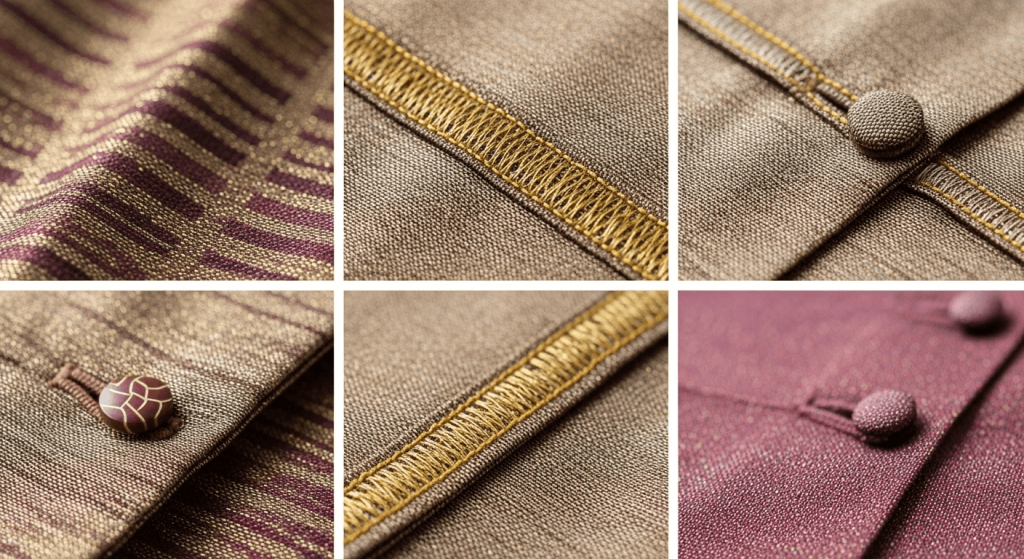
Construction Details:
- Hand-finished seams and hems
- Properly aligned patterns and prints
- Quality buttons and closures
- Reinforced stress points
Fabric Characteristics:
- Even weave without thin spots
- Colorfast dyes that won’t fade
- Appropriate weight for the garment style
- Smooth, comfortable feel against skin
Regional Specialties
Different regions of Thailand are known for specific textile traditions:
- Northern Thailand: Known for intricate weaving and unique patterns
- Northeastern Thailand: Famous for mud-dyed silks and traditional motifs
- Central Thailand: Classic royal patterns and refined techniques
- Southern Thailand: Influenced by maritime trade, featuring unique color palettes
Understanding these regional differences helps you choose fabrics that align with your family’s heritage or personal preferences.
Styling Tips and Accessories
Mastering Thai traditional men’s clothing extends beyond selecting the right garments—it’s about understanding how accessories and styling choices complete the authentic look.
Essential Accessories
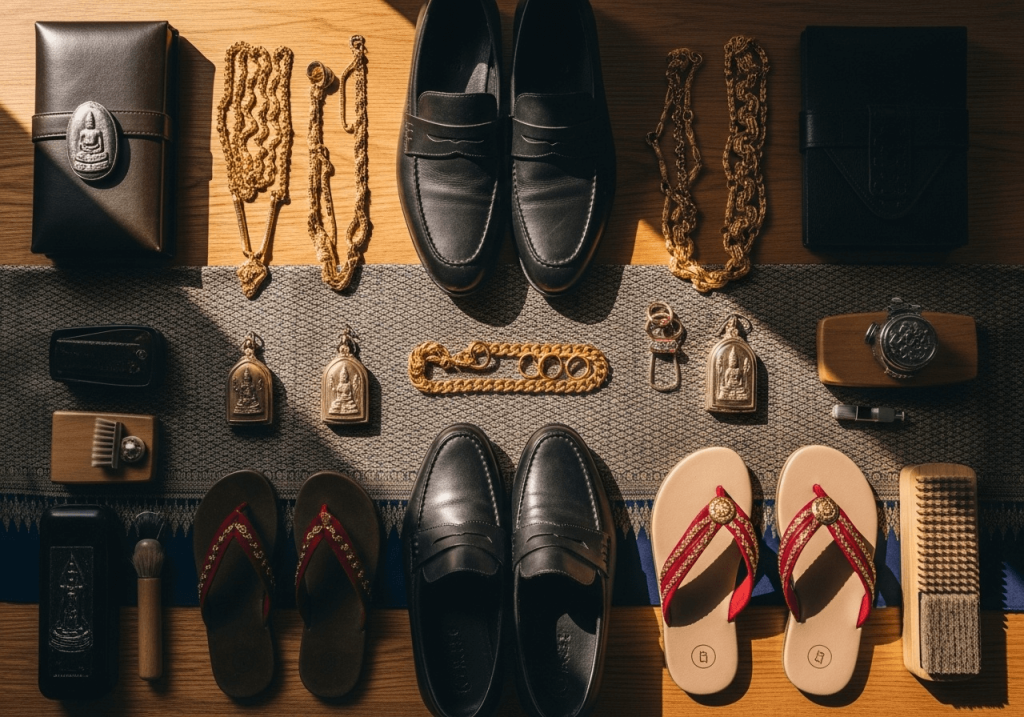
Traditional Jewelry:
- Gold chains or pendants (worn modestly)
- Buddhist amulets (if culturally appropriate)
- Traditional rings or bracelets
- Avoid over-accessorizing
Footwear:
- Leather dress shoes for formal events
- Traditional Thai sandals for casual occasions
- Always consider venue requirements
- Comfort matters for long events
Hair and Grooming:
- Clean, well-groomed appearance
- Traditional hair styles if desired
- Minimal cologne (respect for temple visits)
- Neat facial hair that complements the outfit
Color Coordination
Thai traditional clothing offers rich color options, but understanding cultural color significance enhances authenticity:
Auspicious Colors:
- Gold: Prosperity and good fortune
- Red: Celebration and joy
- Royal Blue: Dignity and respect
- Purple: Nobility and wisdom
Occasion-Appropriate Colors:
- Weddings: Rich, celebratory tones
- Funerals: White, cream, or muted colors
- Religious ceremonies: Conservative, respectful shades
- Festivals: Bright, joyful colors welcome
Seasonal Considerations
Hot Weather Events:
- Choose lighter fabrics like cotton blends
- Opt for Chakkraphat or Ruean Ton styles
- Consider moisture-wicking undergarments
- Light colors reflect heat better
Formal Indoor Events:
- Thai silk provides elegance and comfort
- Chakri or Phra Ratcha Niyom styles appropriate
- Layer consideration for air conditioning
- Rich colors photograph beautifully
Common Mistakes to Avoid
Learning from others’ experiences can save you from cultural missteps and fashion faux pas. Here are the most common mistakes we see Thai-American men make:
Cultural Missteps
Mixing Cultural Elements: Avoid combining Thai traditional pieces with other cultural clothing elements. Stick to authentic Thai styling for cultural respect and visual coherence.
Inappropriate Occasions: Don’t wear elaborate traditional clothing to casual events where it seems out of place. Match your attire level to the occasion’s formality.
Religious Insensitivity: Always research temple requirements and cultural expectations. When in doubt, ask event organizers or Thai family members for guidance.
Styling Errors
Poor Fit: Ill-fitting traditional clothing looks costume-like rather than authentic. Invest in proper sizing or basic alterations.
Over-Accessorizing: Traditional Thai men’s clothing has inherent elegance. Avoid overwhelming the outfit with excessive jewelry or modern accessories.
Wrong Footwear: Your shoes should complement, not compete with, your traditional outfit. Avoid casual sneakers with formal Thai attire.
Practical Oversights
Climate Ignorance: Thai silk can be warm in hot climates. Plan your fabric choice based on venue and weather conditions.
Care Instructions: Traditional fabrics often require special care. Understand maintenance requirements before purchasing expensive pieces.
Emergency Preparedness: Bring safety pins, extra buttons, and basic repair supplies to important events. Traditional clothing can be delicate.
James, a customer from Los Angeles, learned this lesson at his Thai wedding. His beautiful silk Chakri ensemble looked perfect until a small tear appeared during photos. Fortunately, his Thai mother-in-law came prepared with a sewing kit, saving the day and creating a memorable bonding moment.
Caring for Your Thai Traditional Clothing
Proper care ensures your investment in Thai traditional clothing lasts for years and maintains its cultural and aesthetic value.
Immediate Post-Wear Care
After Each Wearing:
- Air out garments completely before storing
- Check for stains or damage immediately
- Hang properly to prevent wrinkles
- Store accessories separately
Spot Cleaning:
- Address stains immediately when possible
- Use appropriate cleaning methods for each fabric
- Test cleaning solutions on hidden areas first
- Consider professional cleaning for valuable pieces
Long-Term Storage
Climate Control:
- Store in cool, dry environments
- Avoid direct sunlight exposure
- Use breathable garment bags
- Include moisture absorbers if necessary
Fabric-Specific Storage:
- Silk: Requires acid-free tissue paper and careful folding
- Cotton: Can handle standard hanging storage
- Embellished pieces: Need extra padding and protection
- Vintage items: May require museum-quality storage
Professional Cleaning
When to Use Professionals:
- Expensive silk pieces
- Heavily embellished garments
- Stubborn stains or odors
- Before important events
Finding the Right Cleaner:
- Seek cleaners experienced with Asian traditional clothing
- Ask about their process for delicate fabrics
- Consider mail-in services that specialize in traditional wear
- Always inform them about fabric types and construction details
Seasonal Maintenance
Annual Care Routine:
- Professional cleaning before long-term storage
- Inspection for moths or other damage
- Necessary repairs before problems worsen
- Inventory assessment and organization
[Take our 2-minute style quiz to find your perfect Thai traditional outfit →]
Key Takeaways
Navigating Thai traditional clothing for men doesn’t have to be overwhelming. Here’s what you need to remember:
• Start with occasion-appropriate styling: Match your traditional wear to the event’s formality and cultural requirements • Invest in proper fit: Well-fitted traditional clothing looks authentic rather than costume-like • Choose quality fabrics: Thai silk and high-quality cotton blends provide durability and cultural authenticity • Respect cultural significance: Understand the meaning behind styles and colors to honor Thai traditions appropriately • Build your wardrobe gradually: Begin with versatile pieces like Chakri style and expand based on your needs
Whether you’re a non-Thai partner embracing your spouse’s culture, a Thai-American man reconnecting with heritage, or someone simply appreciating the elegance of traditional Thai fashion, remember that wearing these garments is about more than aesthetics—it’s about participating in and honoring a rich cultural tradition.
Your journey with Thai traditional clothing will likely evolve over time. Start with pieces that feel authentic to your situation, and don’t hesitate to ask questions or seek guidance from the Thai community around you. The effort you put into understanding and wearing these garments respectfully will be noticed and appreciated.
Ready to find your perfect Thai traditional outfit? Our men’s collection features authentic pieces in all four traditional styles, with expert sizing guidance and cultural consultation included. Each piece is selected for its quality craftsmanship and cultural authenticity, ensuring you look and feel confident at any Thai cultural event.
Shop our complete men’s traditional Thai clothing collection →
Join over 5,000 Thai families who trust us for authentic traditional clothing. Free shipping on orders over $150, and our Thai styling experts are always available to help you choose the perfect ensemble for your special occasion.