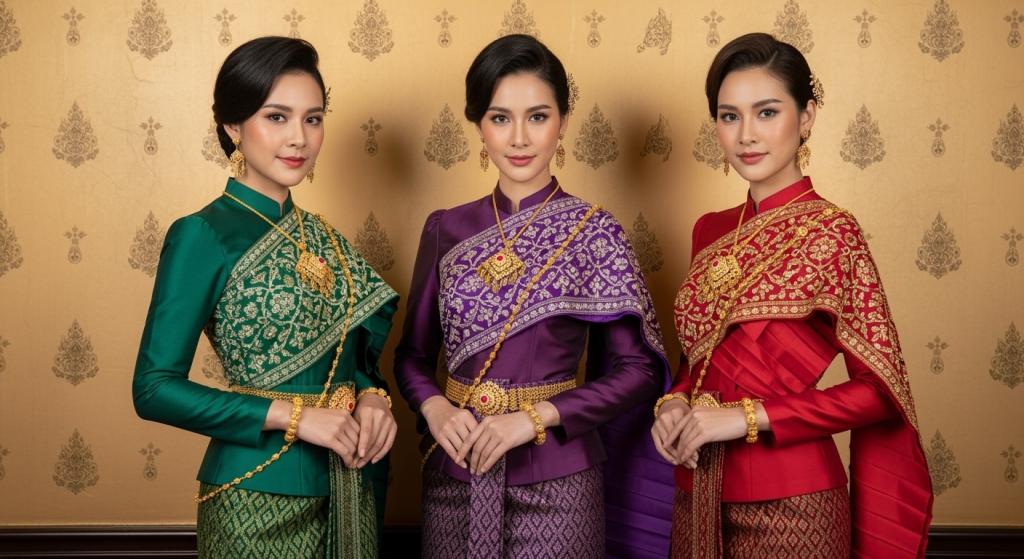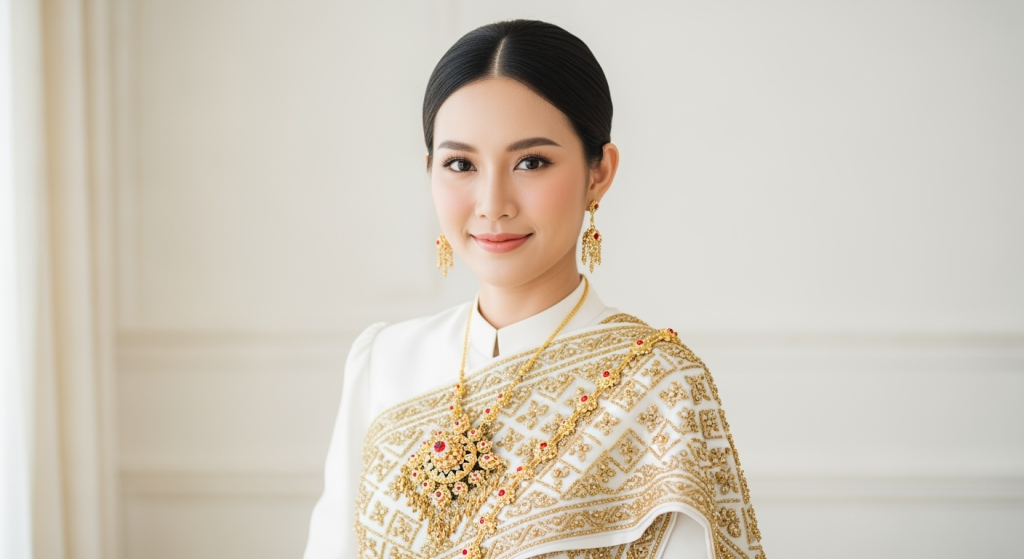
Thai silk represents one of the world’s most exquisite textile traditions, combining ancient techniques with natural beauty to create fabrics worthy of royalty. For Thai people investing in traditional wear, understanding the quality, authenticity, and proper care of silk ensures that your cultural clothing becomes a treasured heirloom rather than a costly mistake. This comprehensive guide helps you recognize authentic Thai silk, understand different types, and maintain these precious garments for generations.
The Heritage of Thai Silk
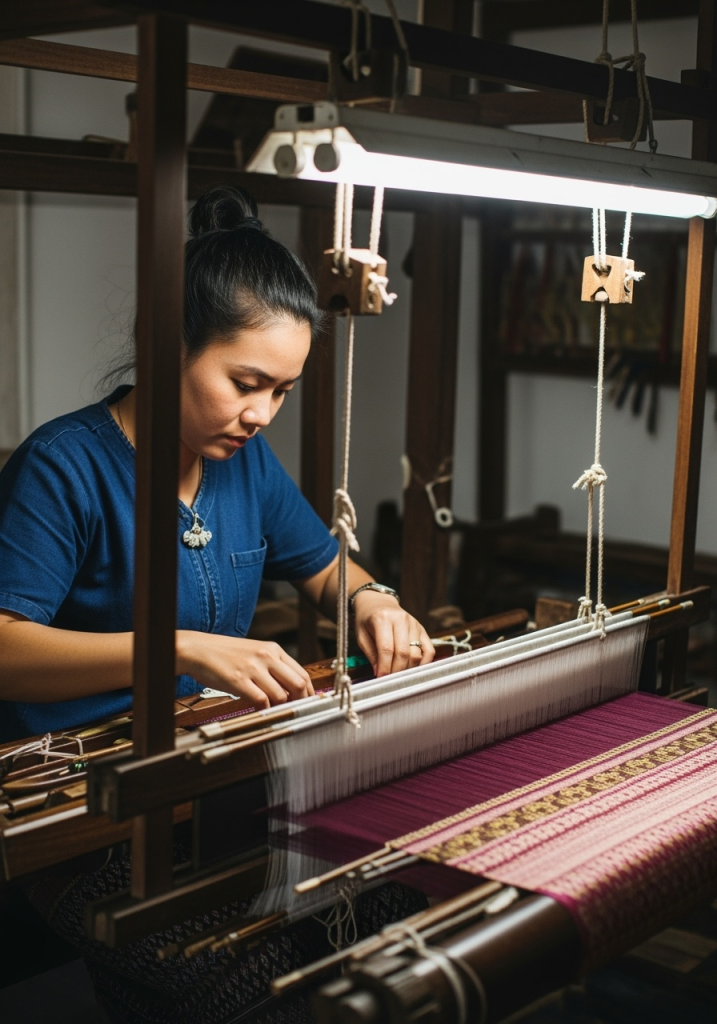
Thai silk production dates back over 3,000 years, with techniques passed down through generations of skilled artisans who preserved ancient knowledge through centuries of cultural change. The fabric gained international recognition through the work of Jim Thompson in the 1950s, who revitalized traditional Thai silk weaving and introduced it to the global luxury market while maintaining authentic production methods.
The cultural importance of Thai silk extends far beyond beautiful fabric. Royal association means Thai silk has been worn by Thai royalty for centuries, creating connections between contemporary wearers and historical traditions. Regional identity develops as different areas of Thailand created distinct silk traditions that reflect local culture and artistic preferences.
Artisan heritage continues today as silk production supports traditional weaving communities throughout Thailand, preserving both economic livelihood and cultural knowledge. Spiritual significance emerges as silk is often incorporated into religious and ceremonial garments, connecting wearers to sacred traditions and meaningful cultural practices.
Thai silk’s unique characteristics distinguish it from other silk varieties worldwide. The natural sheen comes from the triangular prism structure of silk fibers that creates distinctive luster unlike any synthetic alternative. Color depth allows exceptional dye absorption, creating rich, vibrant colors that seem to glow from within the fabric.
Texture variations range from smooth habotai perfect for formal wear to textured raw silk ideal for casual traditional clothing. Most importantly, durability means high-quality Thai silk can last generations with proper care, making it a true investment in cultural heritage.
Understanding Thai Silk Types
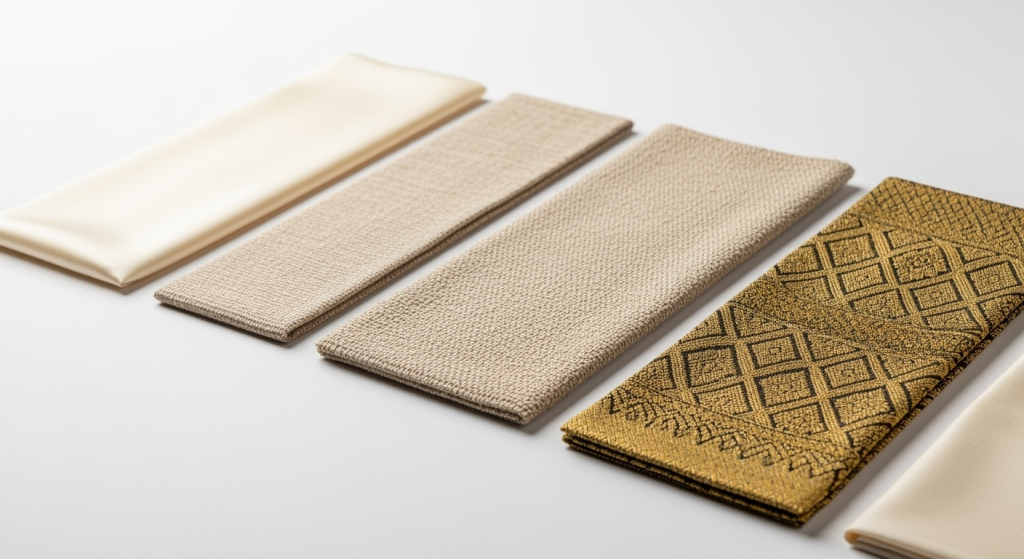
Smooth Thai Silk (Habotai) provides the classic silk experience most people associate with luxury traditional wear. The smooth, lustrous finish creates perfect draping for formal traditional clothing, while the even weave provides an ideal foundation for detailed embroidery work that showcases Thai craftsmanship.
This silk type offers excellent draping quality that enhances flowing traditional silhouettes, creating the elegant movement essential to authentic Thai dress styling. The versatility makes it work beautifully for all traditional Thai dress styles, from casual Ruean Ton to formal Boromphiman.
Smooth Thai silk excels for Chut Thai Chakri with its elegant draping requirements, formal blouses where the smooth finish showcases embroidery details, special occasions including weddings and formal cultural events, and photography where the beautiful appearance enhances family portraits and cultural documentation.
Thai Raw Silk (Textured) offers a more casual, traditional aesthetic that connects wearers to historical Thai silk traditions. The natural texture created by slight irregularities adds visual interest and authentic character, while the matte finish provides less shine than smooth varieties for a more understated look.
Raw silk often proves more durable than smooth varieties, making it practical for frequent wear and active cultural participation. The traditional appeal feels closer to historical Thai silk textures, providing authentic connections to ancestral clothing traditions.
Thai raw silk works excellently for casual traditional wear during daily cultural activities, children’s clothing where durability matters more than perfect smoothness, home décor for traditional Thai-inspired interior elements, and cultural costumes for traditional dance and performance wear where authenticity is paramount.
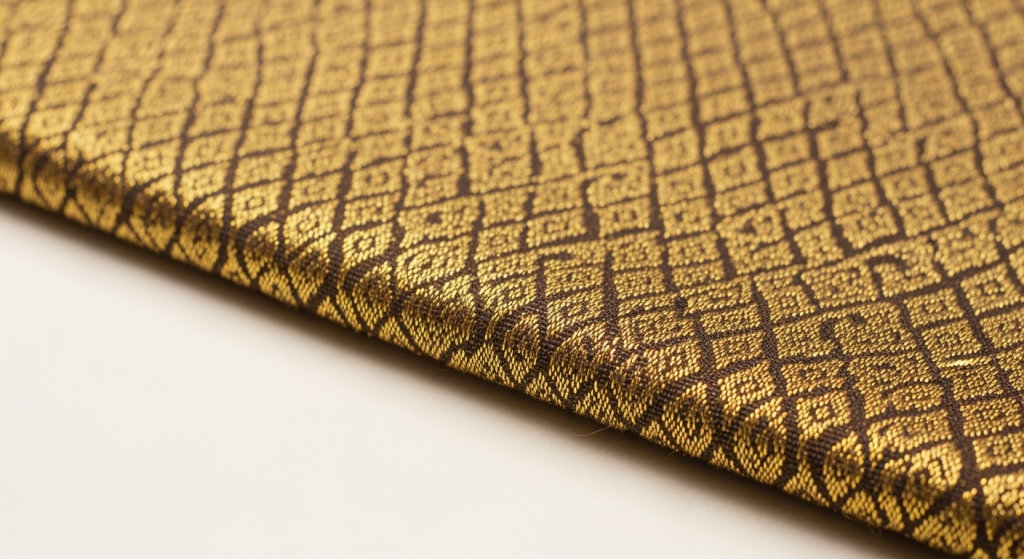
Thai Silk Brocade represents the pinnacle of Thai textile artistry with raised patterns woven directly into the fabric structure. Metallic threads, often incorporating gold or silver, create luxurious appearances perfect for the most formal occasions. The rich visual impact suits traditional Thai celebrations and important cultural events.
Traditional motifs in brocade often feature classic Thai patterns and designs that carry cultural significance and historical meaning. The complex weaving process requires master craftsmanship, making each piece a work of art that honors Thai textile traditions.
Brocade proves perfect for Chut Thai Boromphiman and other formal royal-style traditional wear, wedding attire for both brides and grooms in traditional ensembles, ceremonial clothing for temple dedications and cultural honors, and investment pieces that become heirloom-quality traditional wear passed through generations.
Identifying Authentic Thai Silk Quality
Visual quality indicators help distinguish authentic, high-quality Thai silk from inferior alternatives. High-quality silk displays even luster with consistent sheen across the entire fabric surface, while poor quality shows uneven or artificial-looking shine. Color depth in authentic Thai silk appears rich and saturated, seeming to glow from within, unlike flat or harsh colors in synthetic alternatives.
Pattern precision in quality Thai silk shows sharp, clear traditional motifs with precise execution, while inferior pieces display blurry or poorly defined designs. Selvage quality provides another indicator – neat, even edges show careful weaving, while rough or uneven selvages suggest poor construction.
Quality red flags to avoid include:
- Uneven dye application creating streaky or patchy color
- Loose threads indicating poor construction or inferior materials
- Harsh texture that feels overly stiff or scratchy
- Fading colors that rub off or lose intensity quickly
Physical quality tests help verify authentic Thai silk when visual inspection alone isn’t sufficient. The touch test reveals that smooth varieties should feel cool and smooth against skin, while authentic silk has substantial but not heavy weight that feels luxurious without being cumbersome.
Quality silk drapes naturally in elegant folds that enhance traditional silhouettes, while inferior silk hangs stiffly or appears lifeless. Texture consistency means authentic silk feels even across the entire fabric surface without rough patches or thin areas.
Professional authentication methods include the burn test (authentic silk burns slowly, smells like burning hair, and leaves ash residue), but this should only be performed by professionals in controlled environments. The water test shows that real silk absorbs moisture gradually without immediate soaking, and quality silk should not bleed color when damp.
Thai Silk Grading and Pricing
Commercial quality grades help buyers understand value and make appropriate investments. Grade A (Premium) silk shows perfect construction with no flaws in weave or dye, representing museum quality suitable for heirloom pieces. This grade commands the highest cost but offers the best investment value for significant traditional wear purchases.
Grade B (High Quality) silk may show minor imperfections that don’t affect overall appearance, offering excellent value as a balance of quality and affordability. This grade proves most popular for regular cultural event wear and family traditional clothing because it provides authentic beauty at accessible prices.
Grade C (Good Quality) silk displays visible imperfections in pattern or construction, offering budget-friendly entry into authentic Thai silk ownership. While this grade has limited durability compared to higher grades, it works well for occasional wear and children’s growth pieces where frequent replacement is expected.
Artisan versus commercial production creates different value propositions for traditional wear investments. Artisan-made Thai silk involves hand-weaving with individual attention to each piece, creating unique variations that ensure no two pieces are exactly alike. The higher cost reflects time and skill investment while providing the highest cultural authenticity and supporting traditional Thai artisans.
Commercial Thai silk uses some mechanization in production to create consistent quality with uniform appearance and construction. Lower costs make this silk more accessible for families building traditional wardrobes, though quality variance ranges from excellent to poor depending on manufacturer standards and production values.
Proper Care for Thai Silk Traditional Wear
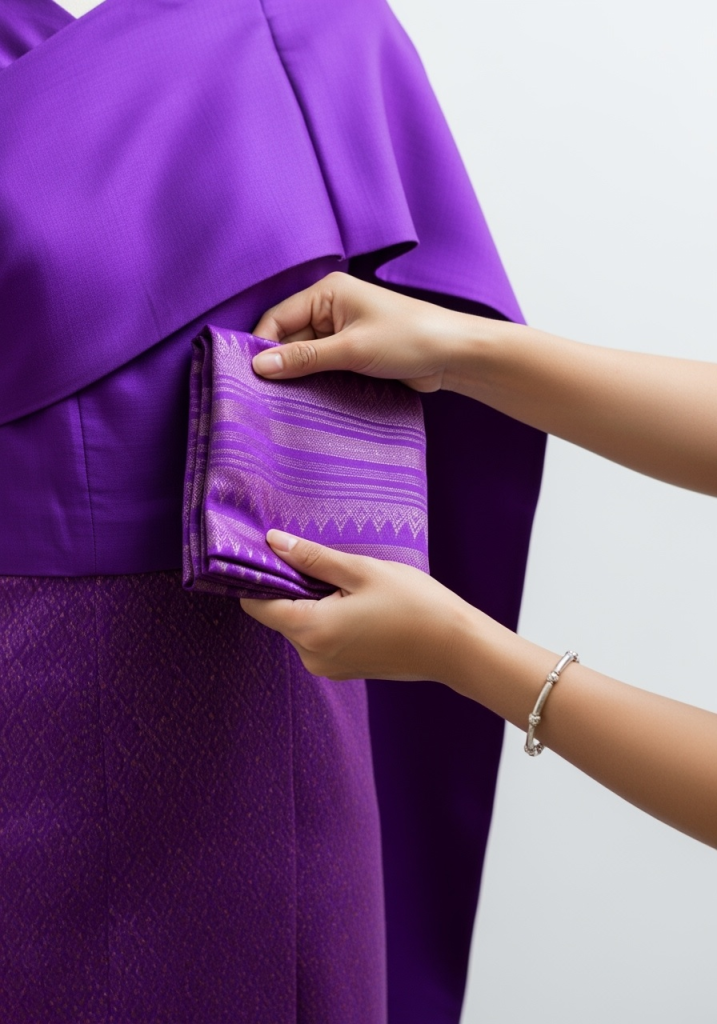
Daily care practices protect your silk investment while ensuring your traditional wear remains beautiful for years of cultural participation. When wearing silk traditional clothing, use appropriate undergarments to prevent body oil transfer that can damage delicate fibers over time.
Avoid sharp jewelry that could snag delicate silk fibers, and remain conscious of activities that could damage expensive fabrics. Don’t wear silk for extended periods in high heat or humidity, as excessive moisture can affect the fabric’s structure and appearance.
Storage between wears requires attention to silk’s specific needs. Allow silk to air completely after wearing, as trapped moisture can lead to mildew or fabric damage. Hang or fold pieces properly to prevent wrinkles that become difficult to remove from delicate silk.
Ensure garments are completely dry before storage, as even small amounts of moisture can cause problems over time. Protect stored silk with breathable fabric covers rather than plastic, which can trap moisture and cause damage.
Professional cleaning provides the safest option for maintaining valuable Thai silk traditional wear. Seek cleaners experienced with traditional Asian textiles who understand silk’s special requirements and cultural significance. Professional stain treatment safely removes food, makeup, and perspiration stains that could permanently damage silk if handled incorrectly.
Professional pressing services use appropriate techniques that won’t damage delicate silk fibers, and seasonal cleaning before long-term storage ensures garments remain beautiful for future wear.
Home care requires extreme caution and should only be attempted when professional cleaning isn’t available. Use silk-specific detergents in cool water, never hot water that can damage fibers or set stains permanently. Gently squeeze water out without wringing or twisting, which can distort silk’s structure.
Lay flat on towels for drying, avoiding direct sunlight that can fade colors or weaken fibers. Iron on silk setting with a pressing cloth if necessary, but professional pressing usually provides better results for valuable traditional wear.
Investment Considerations and Value
Understanding cost versus value helps make informed traditional wear investments. Initial investment factors include quality level (higher grades cost more but last longer), artisan versus commercial production (hand-made pieces command premium prices), complexity of patterns and embroidery (intricate work increases cost), and authenticity verification (genuine Thai silk costs more than imitations).
Long-term value justifies higher initial investments for quality Thai silk traditional wear. Durability means quality silk can last decades with proper care, making cost-per-wear very reasonable for frequently used pieces. Timelessness ensures traditional designs never go out of style, maintaining relevance across generations.
Heritage value allows quality pieces to become family heirlooms passed to future generations, while cultural investment supports Thai artisan communities and helps preserve traditional craftsmanship for posterity.
Budget-friendly strategies help families build silk wardrobes gradually without overwhelming initial expenses. Smart shopping includes starting with basic versatile pieces that work for multiple occasions, watching for seasonal sales on traditional wear, focusing on quality over quantity (fewer, better pieces provide more value), and investing in proper care to extend garment life dramatically.
Building a collection systematically over several years spreads costs while ensuring each addition serves multiple purposes and enhances your overall traditional wardrobe’s versatility and cultural authenticity.
Supporting Thai Artisans and Sustainability
Ethical purchasing decisions support traditional Thai communities while ensuring authentic, high-quality traditional wear. Fair trade practices ensure artisans receive appropriate compensation for their skilled work, while community support purchases from vendors who invest in weaving communities’ long-term welfare.
Cultural preservation through purchasing decisions helps maintain traditional skills that might otherwise disappear, and transparent sourcing lets buyers know where and how their silk is produced, supporting responsible manufacturing practices.
Environmental considerations make Thai silk a sustainable choice when produced using traditional methods. Natural processes in traditional silk production create minimal environmental impact, while chemical awareness helps buyers avoid pieces with excessive synthetic treatments.
Longevity focus means quality pieces reduce the need for frequent replacement, decreasing overall environmental impact. Supporting local craftsmanship preserves traditional knowledge while reducing transportation-related environmental costs.
Thai silk represents both beautiful material and living cultural tradition. Understanding quality, proper care, and ethical sourcing ensures your investment in traditional Thai wear honors both craftsmanship and culture while providing lasting beauty for your family’s cultural celebrations and heritage preservation.
Ready to invest in authentic Thai silk? Explore our carefully curated collection of verified authentic Thai silk traditional wear, with quality guarantees, detailed care instructions, and direct support for Thai artisan communities.