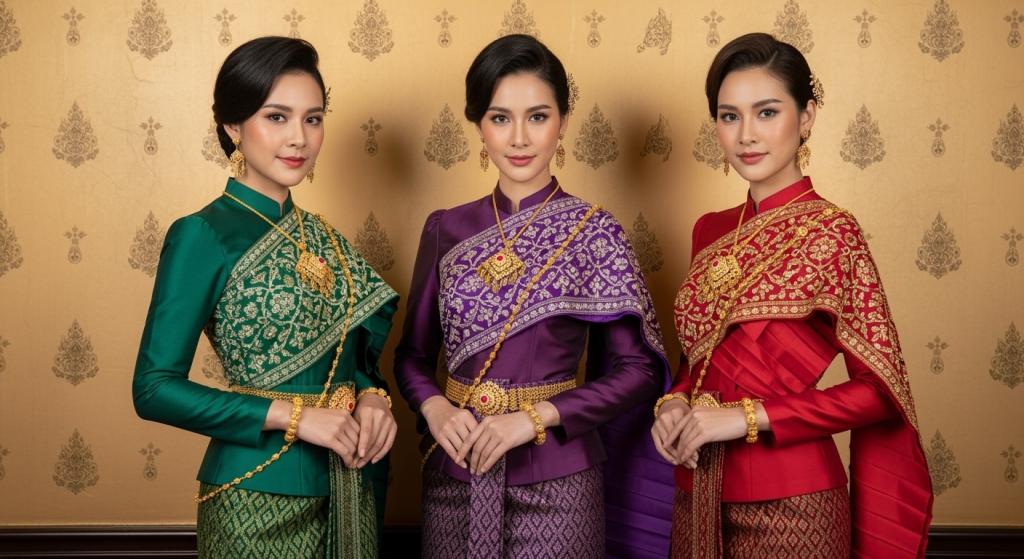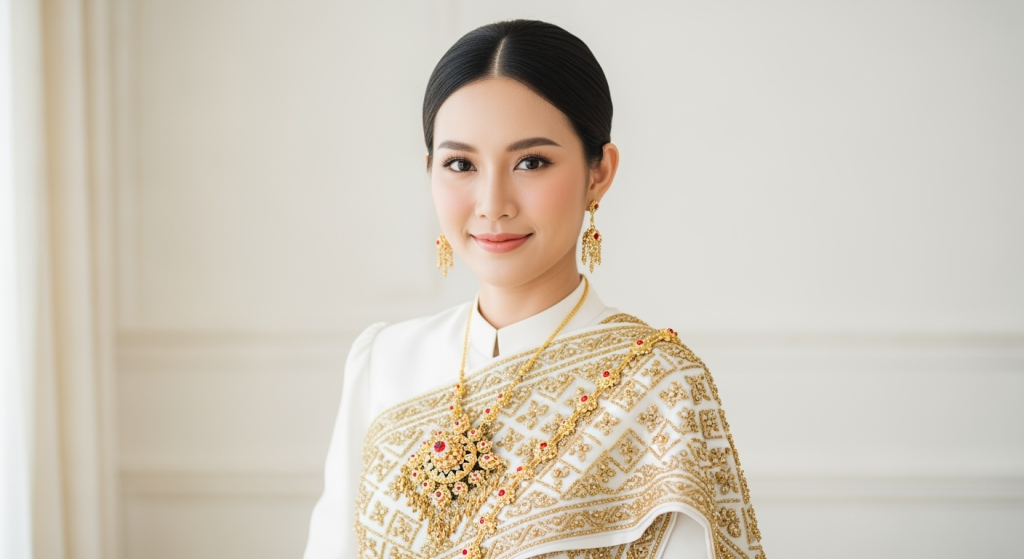
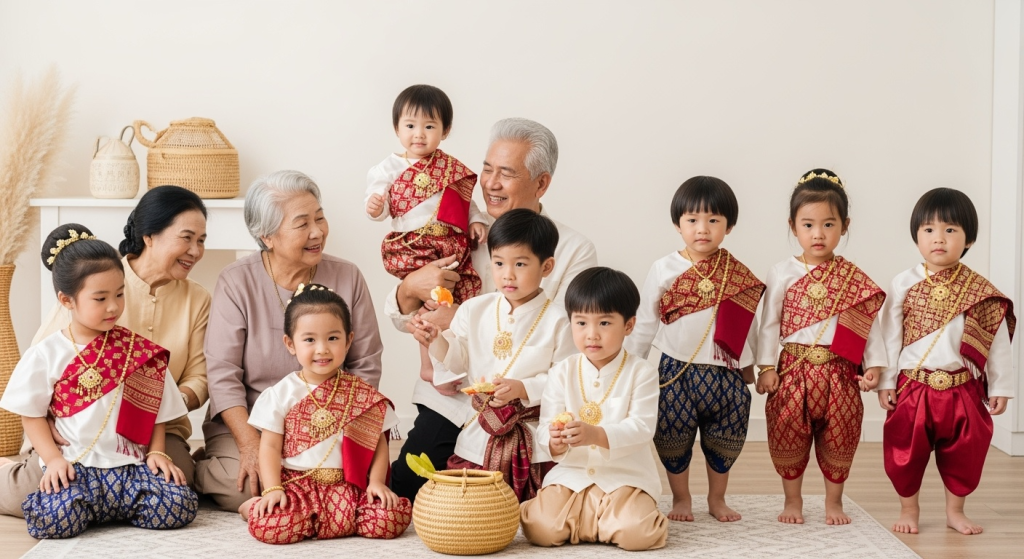
Help your children connect with Thai heritage through beautiful, comfortable traditional clothing.
Introducing children to Thai traditional wear creates lasting connections to cultural heritage while building confidence in their identity. For Thai-American families, dressing children in traditional clothing for cultural events, school presentations, and family celebrations becomes a powerful tool for cultural preservation and education. Understanding how to choose, fit, and style traditional wear for children ensures they feel comfortable and proud while representing their Thai heritage.
Why Traditional Dress Matters for Thai-American Children
Traditional clothing helps children understand their place in Thai culture through visual connection and cultural pride. When children see themselves in traditional dress, they develop stronger associations with their Thai identity and gain confidence in their cultural heritage. These beautiful garments evoke positive feelings about being Thai-American, serving as natural conversation starters about culture and family history.
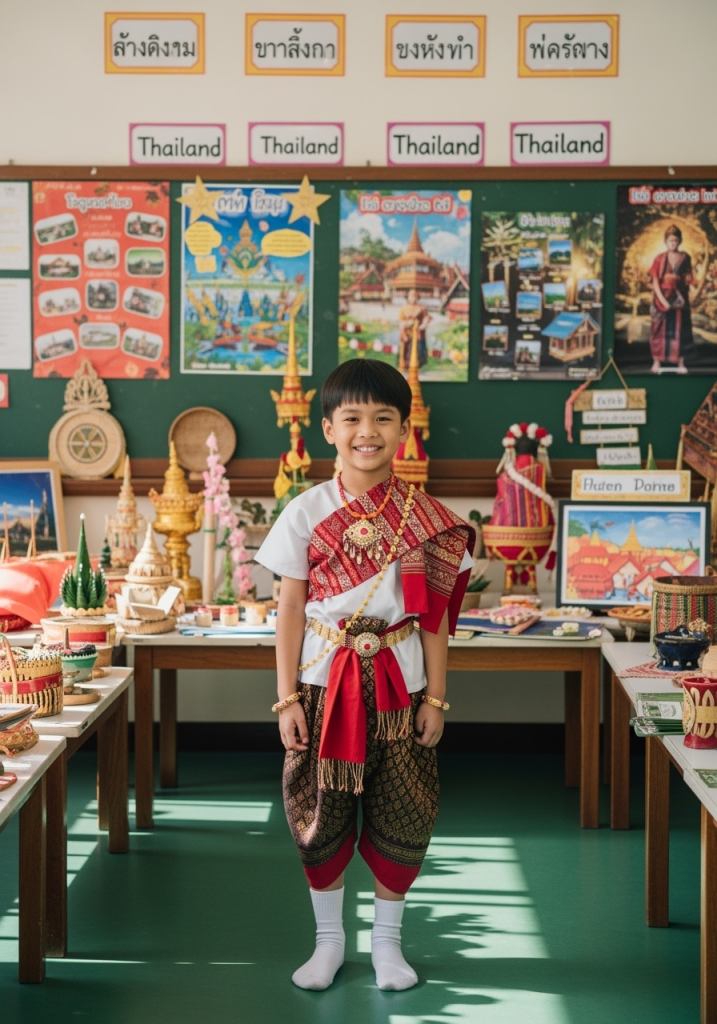
Children wearing traditional dress become cultural ambassadors in their communities. During school cultural days, they represent Thailand with authentic, beautiful clothing that educates classmates and teachers about Thai traditions. At community events, they fit seamlessly into Thai cultural celebrations while demonstrating cultural continuity across generations.
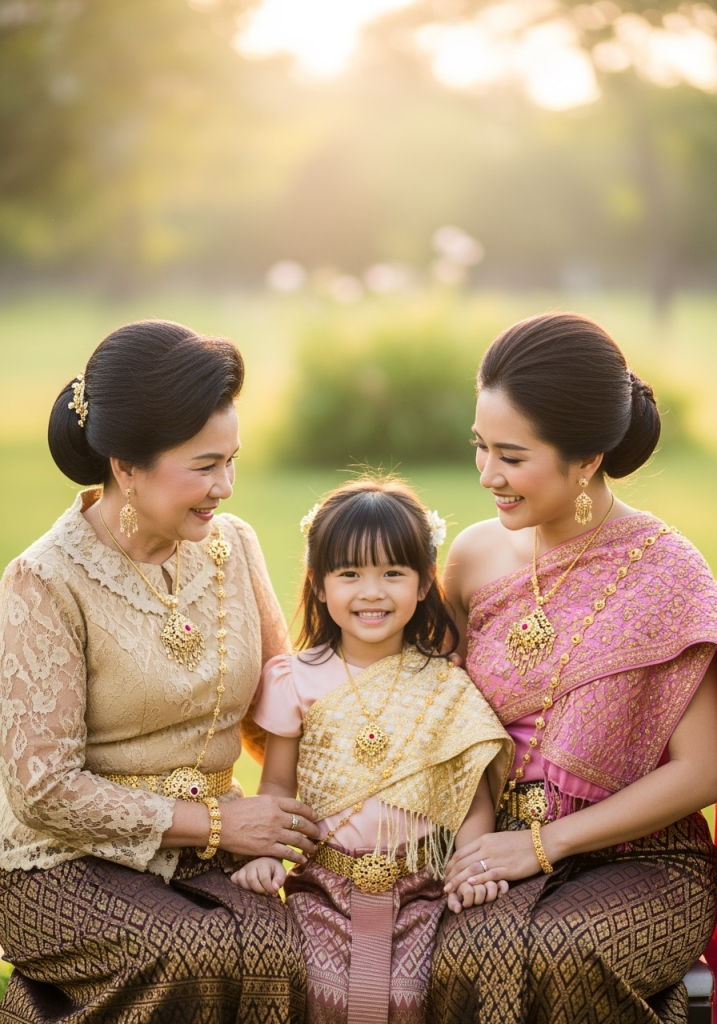
Traditional wear creates lasting family memories through photography and special occasions. These images become important family heritage documentation, helping preserve cultural traditions for future generations while strengthening family bonds through shared cultural participation.
For Thai heritage families, children in traditional dress help bridge generational gaps. Grandparents feel honored when traditions are maintained, creating opportunities for cultural knowledge transfer and family connection. These moments strengthen intergenerational relationships while preserving cultural wisdom.
Age-Appropriate Traditional Styles
Toddlers (Ages 2-4) need simplified traditional elements that prioritize comfort and safety while introducing cultural concepts. Choose easy-wear versions with elastic waistbands and simple pullover styles that accommodate active toddlers. Bright, engaging colors appeal to young children’s preferences while maintaining cultural authenticity.
Select comfortable fabrics like soft cottons and blends that feel good against sensitive skin and withstand frequent washing. Ensure safety by avoiding small parts, choosing secure closures, and selecting flame-resistant materials when available.
Popular toddler options include basic Thai-inspired dresses in traditional colors and patterns with simple silhouettes, traditional-pattern rompers for very active children, simple wrapped skirts with comfortable elastic waistbands, and traditional shirts adapted for toddler-friendly cuts and fabrics.
School Age (Ages 5-10) can handle more authentic traditional elements while building cultural knowledge. These children can understand cultural significance and take better care of traditional clothing while participating more actively in cultural events and presentations.
Choose authentic style elements with more accurate traditional proportions. These cultural story pieces help explain Thai traditions, mix-and-match options for building a small traditional wardrobe, and occasion-appropriate choices for different types of events.
Recommended school-age options include simplified Chut Thai Siwalai, perfect for cultural presentations, traditional dance costumes for children interested in Thai dance, festival-specific outfits for Songkran and Loy Krathong celebrations, and gender-appropriate traditional styles that respect traditional Thai dress codes.
Preteens (Ages 11-14) can appreciate more sophisticated traditional wear as they develop personal style preferences and deeper cultural understanding. These young people can handle quality fabrics, understand cultural responsibility, and participate in cultural leadership roles.
Consider more sophisticated cuts that approach adult traditional proportions, quality fabric introduction, including authentic Thai silks, cultural responsibility education about the significance of traditional dress, and personal expression choices within traditional parameters.
Smart Sizing for Growing Children
Understanding growth patterns helps plan traditional wear purchases effectively. Children ages 2-5 change sizes rapidly, often needing new clothes every six months. Plan for this by ordering one size larger to get longer wear periods, choosing adjustable elements like ties and elastic features, and focusing on versatile pieces that work for multiple occasions.
Ages 6-10 experience steadier growth with occasional spurts. Order 1-2 sizes larger for annual growth, measure frequently during known growth periods, and maintain flexibility in sizing for sudden changes. Consider hem planning by ordering longer pieces with alteration potential.
Ages 11-14 have significant growth spurts and body changes. Measure frequently due to rapid changes, order closer to current size but with room for growth, and plan for seasonal considerations as growing bodies change with climate and activity levels.
Cost-effective strategies help manage growing children’s clothing needs:
- Choose adjustable elements whenever possible
- Plan for family hand-me-downs by sizing traditional wear for multiple children
- Focus on quality basics that last through multiple growth periods
- Consider seasonal sizing variations for different times of year
Fabric Choices for Active Children
Cotton and cotton blends provide the best balance for children’s traditional wear. These fabrics offer breathability for active play, easy washing for busy parents, comfort for sensitive skin, and affordability for frequent sizing changes. They withstand frequent washing and active play while maintaining an appropriate appearance for cultural events.
Silk blends work beautifully for special occasions when children need more formal traditional wear. These fabrics photograph beautifully for family memories, provide cultural authenticity for important events, and offer appropriate formality for significant celebrations. However, they require more careful handling and cleaning, representing a higher investment for special pieces.
Performance fabrics excel for very active children or outdoor cultural events. Modern synthetic blends offer stain resistance for inevitable spills, wrinkle-free properties for busy families, quick-dry capabilities for festival activities, and easy care for practical family life. Choose these in traditional colors and patterns to maintain cultural authenticity.
Avoid problematic fabrics for children:
- Delicate traditional silks are too fragile for children’s activities
- Heavy brocades are uncomfortable for active play
- Synthetic materials with poor breathability that cause overheating
- Fabrics that stain easily from food and play activities
Occasion-Specific Children’s Traditional Wear
School cultural events require specific considerations for both education and comfort. Cultural day presentations should focus on authentic but child-appropriate styling, educational value that teaches classmates about Thai culture, comfort needs for standing and presenting, and visual appeal that photographs well for school documentation.
International night events often involve family coordination where children’s wear coordinates with adult family traditional dress, community representation showing pride in Thai heritage, and cultural accuracy for respectful representation of traditions.
Family cultural events have different requirements depending on the setting and formality. Temple visits need modest traditional wear in respectful colors, appropriate coverage for sacred spaces, comfort for sitting, and traditional greetings, and understanding of religious tradition significance.
Cultural festivals like Songkran and Loy Krathong require activity-appropriate clothes suitable for festival participation, weather consideration for outdoor events, community integration to fit with cultural community celebrations, and fun factors that enhance festival enjoyment.
Family celebrations including weddings and formal events call for more sophisticated children’s traditional styles, family coordination matching or complementing family outfits, extended wear comfort for events lasting several hours, and photography importance for creating lasting family memories.
Building a Children’s Traditional Wardrobe
Start with essential first purchases that provide maximum versatility and value. For ages 3-8, start with a versatile traditional outfit in basic Siwalai-style, featuring bright, happy colors. This outfit is comfortable and ideal for informal cultural events, paired with simple accessories like child-safe traditional jewelry and flower hair accessories.
Growing wardrobes for ages 9-14 can include more sophisticated pieces as children develop cultural appreciation and take better care of clothing. Add formal traditional ensembles for special occasions, casual cultural wear for community events and activities, seasonal options with different weights for year-round cultural participation, and traditional accessories that enhance cultural authenticity.
Budget-friendly strategies help families build wardrobes gradually:
- Start simple with basic pieces that work for multiple occasions
- Use family sharing for traditional pieces passed between siblings
- Consider community resources for borrowing special one-time event pieces
- Invest in quality basics that last through multiple children and growth periods
Gradual building approaches help spread costs over time:
- Year 1: One basic traditional outfit for introduction to cultural wear
- Year 2: Add formal occasion wear for special events and celebrations
- Year 3: Include seasonal or activity-specific pieces for different events
- Year 4+: Build collection based on child’s interests and family cultural participation
Cultural Education Through Traditional Dress
Traditional dress provides exceptional teaching opportunities for cultural education and family connection. Use historical education to explain the history of Thai royal dress codes, teach about different regions of Thailand, discuss how traditional dress has evolved over time, and explain the symbolic meanings of colors, patterns, and accessories.
Values education through traditional dress helps children understand respect for traditions and why preserving culture matters, develop cultural pride in being Thai-American, learn cross-cultural understanding and appreciation for all cultures, and understand family heritage and personal family traditions.
Make traditional dress engaging and fun for children through storytelling that connects outfits to Thai folklore and history, role playing by pretending to be Thai characters or historical figures, cultural games including traditional Thai activities while wearing traditional clothes, and family activities like cooking Thai food while dressed traditionally.
Create positive associations with traditional dress by connecting it to special occasion celebrations and happy family events, encouraging community praise and positive feedback from Thai community members, making photography fun with special photo sessions in traditional wear, and promoting cultural sharing by teaching friends about Thai traditions.
Practical Parenting Strategies
Before cultural events, prepare children for success by practicing wearing traditional clothes to ensure comfort and familiarity, checking for comfort issues like scratchy seams or uncomfortable fits, testing movement to ensure children can sit, walk, and play comfortably, and providing cultural preparation by explaining the event and why traditional dress is important.
During events, monitor children’s comfort and engagement by watching for signs of discomfort or overheating, helping children navigate activities while wearing traditional dress, providing cultural guidance to help children answer questions about their clothing, and creating photography opportunities to capture beautiful cultural moments.
Teaching responsibility helps children value their traditional wear through age-appropriate care instruction, cultural respect education about why traditional clothes deserve special treatment, family cooperation in making traditional wear care a shared activity, and value understanding to help children appreciate the investment in their heritage.
Addressing Common Challenges
Some children resist wearing traditional dress for various reasons. Understanding the source of resistance helps address concerns effectively. Comfort concerns should be addressed by ensuring proper fit and fabric choices. Social anxiety about being different can be helped by building confidence in cultural identity and arranging playdates with other Thai-American children in traditional wear.
Unfamiliarity with traditional dress can be overcome by gradual introduction in comfortable settings, while peer pressure can be countered by building strong cultural identity and community support.
Solutions for reluctant children include:
- Start small with traditional-inspired casual wear
- Make it special by connecting traditional dress to treats or activities
- Provide community support through connections with other Thai families
- Use positive reinforcement by praising and celebrating cultural participation
Practical event challenges require preparation and flexibility:
- Plan for bathroom difficulties with practical outfit choices
- Prepare for food spills with appropriate colors and backup options
- Consider weather problems with layers and backup plans
- Address fatigue with comfortable fits for long events
Building your child’s connection to Thai culture through traditional dress creates lasting memories and strong cultural identity. With careful planning, appropriate choices, and positive associations, traditional wear becomes a joyful part of your child’s cultural education and family heritage.
Ready to start your child’s traditional wear journey? Explore our children’s collection designed specifically for comfort, authenticity, and growing bodies, with sizing guidance and cultural education support for every age.